IoT Solutions for Water Conservation are becoming essential as cities, homes, and industries face increasing water scarcity. By integrating smart sensors, automation, and real-time monitoring, these IoT solutions for water conservation help reduce waste, detect leaks, and optimize water usage with high efficiency.
Water scarcity is one of the biggest challenges faced by communities, cities, and households today. With rising populations, climate change, and overconsumption, water resources are under pressure like never before. Thankfully, modern IoT solutions for water conservation offer a smart, efficient, and sustainable way to monitor, manage, and save water.
From smart meters to leak-detection sensors, IoT technologies are helping people control water usage in real time and prevent wastage before it even happens.
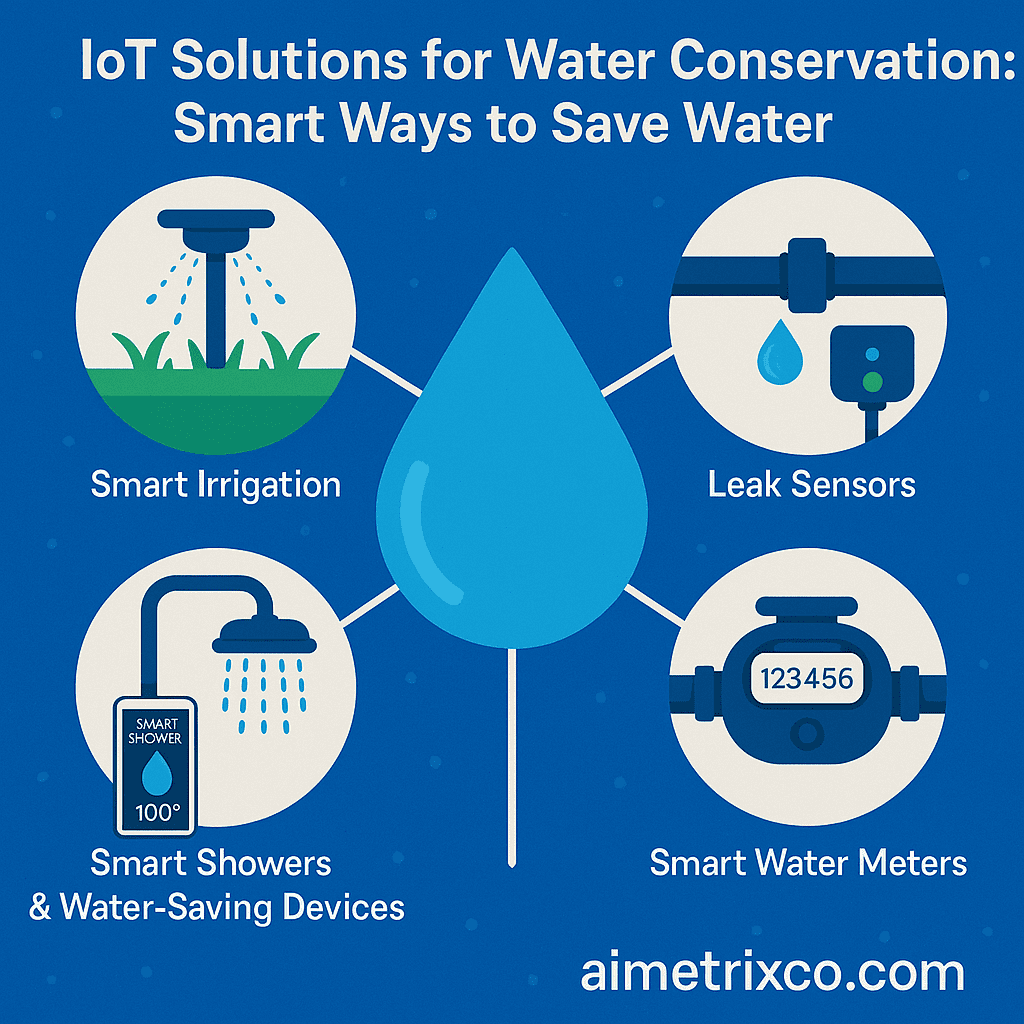
Table of Contents
🌍 Why Water Conservation Matters More Than Ever
Millions of liters of water are wasted every day due to leakage, over-irrigation, outdated plumbing, and inefficient household practices.
Major problems include:
- Undetected pipe leaks
- Overuse of water in homes and buildings
- Inefficient irrigation systems
- Poor water distribution
- Lack of real-time monitoring
- No awareness of daily usage
These challenges can be solved with IoT-enabled smart water systems, which offer accurate insights and automatic control.
💧Why IoT Matters in Water Conservation
IoT solutions for water conservation offer real-time insights into water usage patterns. They help families save water, assist farmers in optimizing irrigation, and support smart cities in managing water distribution effectively.
💧 How IoT Helps in Water Conservation
IoT (Internet of Things) connects sensors, meters, and devices to the internet, allowing them to collect, analyze, and report data in real time. This helps save water in the following ways:
- Detecting leaks instantly
- Reducing water wastage in agriculture
- Monitoring tank levels
- Tracking home water consumption
- Automating irrigation
- Preventing overflow
IoT makes water usage visible, measurable, and controllable.
📡 1. Smart Water Meters
Smart water meters track usage in real time and help users identify high-consumption areas. Cities can also use them to manage water pressure and reduce wastage.
Smart water meters monitor water consumption in real time and help households and industries avoid unnecessary usage.
Key Features
- Real-time usage tracking
- Smartphone alerts when consumption is high
- Automatic billing
- Leak detection alerts
Benefits
- Reduces monthly water bills
- Improves awareness
- Helps detect hidden leaks immediately
🏠 2. IoT Leak Detection Sensors
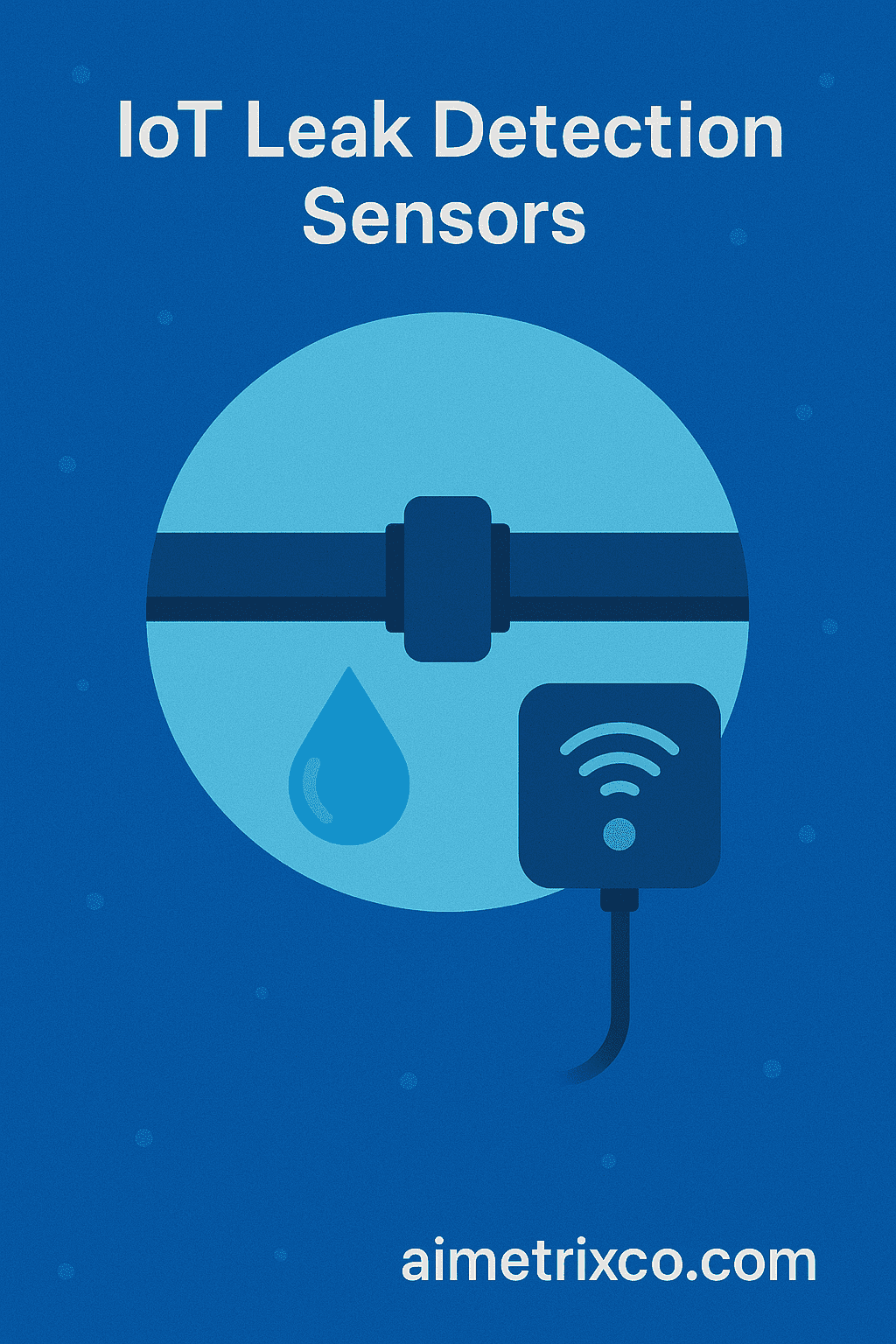
IoT leak sensors instantly detect pipe leaks and send alerts to the user. This prevents major water loss and protects property from damage.
One of the leading causes of water loss is leakage inside pipes, bathrooms, or underground systems.
IoT leak sensors solve this silently and effectively.
How They Work
- Sensors placed near pipes, taps, and appliances
- Detect water flow irregularities
- Send instant alerts to your phone
- Automatically shut off water supply (advanced systems)
Benefits
- Prevents property damage
- Saves thousands of liters yearly
- Very effective for homes, apartments, offices
🌾 3. Smart Irrigation Systems for Agriculture
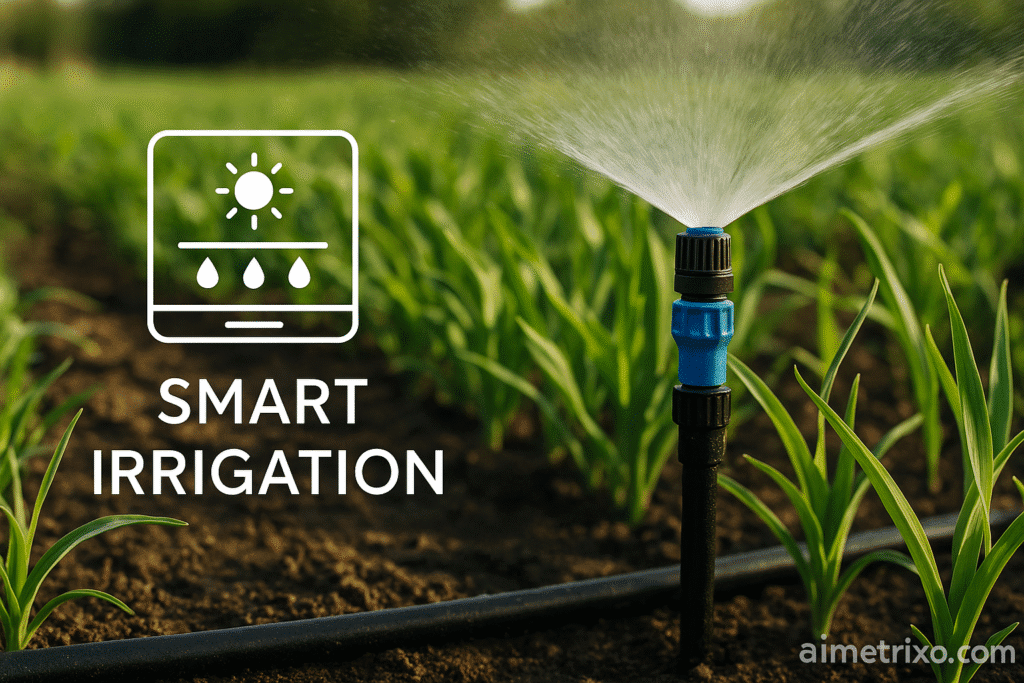
Smart irrigation uses soil sensors, moisture meters, and automated sprinklers to avoid overwatering. These systems ensure plants get only the required amount of water.
Agriculture consumes nearly 70% of the world’s water.
IoT-based irrigation can reduce waste drastically.
Smart Features
- Soil moisture sensors
- Automated watering schedules
- Real-time weather integration
- Only water when required
Benefits
- Saves up to 30–50% water
- Improves crop health
- Reduces farmer labor and cost
🏙 4. Smart Water Management for Cities

City-level water systems often lose 20–40% of their water to leakage and inefficient distribution. IoT solves this by creating a smart water grid.
Applications
- Monitoring pipeline pressure
- Predicting water demand
- Automating distribution
- Detecting theft and wastage
Benefits
- Lower operating cost
- Zero water leakage zones
- Clean and reliable supply
🏢 5. Smart Water Tank Level Monitoring
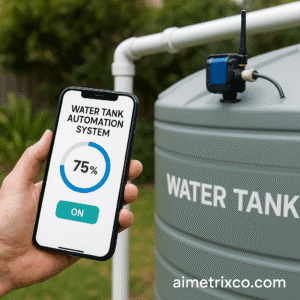
For homes, apartments, hotels, and commercial buildings, IoT tank monitoring avoids:
- Overflow
- Dry tank issues
- Excessive motor usage
Features
- Real-time tank levels
- Auto ON/OFF motors
- Mobile alerts when tank is full or empty
🚿 6. Smart Showers & Water-Saving Devices
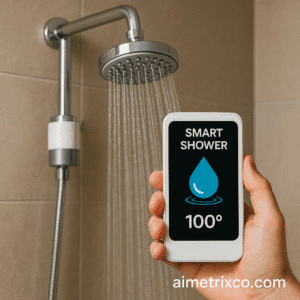
Smart shower devices help control water temperature and flow rate, reducing unnecessary usage.
IoT-enabled showers and faucets help track:
- Daily usage
- Time spent
- Water temperature
- Flow rate
They also provide reminders to reduce overuse — perfect for families.
🔧 7. Industrial IoT for Water Optimization
Factories use a large amount of water for processing, cooling, and cleaning.
IoT helps industries conserve water through:
- Sensor-based water recycling
- Usage analytics
- Leak detection
- Automated shutoff systems
- Real-time monitoring
This improves sustainability and reduces environmental impact.
Read more about Water Conservation
World Bank – Water Resource Management
United Nations – Water Conservation
⚡ Benefits of IoT Solutions for Water Conservation
✔ Saves thousands of liters annually
✔ Detects leaks early
✔ Reduces water bills
✔ Helps cities plan better
✔ Supports farmers with smart irrigation
✔ Prevents wastage in industries
✔ Creates awareness through real-time data
✔ Increases water system transparency
🌐 Examples of Real IoT Devices for Water Saving
- Flume Smart Water Monitor
- Phyn Plus Leak Detection System
- Netafim Smart Irrigation
- Kerlink Smart Water Solutions
- Smart Water Meters by Sensus
📘 Conclusion
IoT solutions for water conservation are transforming how homes, cities, and farms manage water. With smart meters, leak sensors, irrigation systems, and automation, water-saving becomes simple, accurate, and effortless. As water scarcity continues to rise, using IoT technology is no longer optional — it is essential for a sustainable future.
❓ Frequently Asked Questions (FAQ)
1. How does IoT help save water?
IoT devices track usage, detect leaks, automate irrigation, and send alerts to prevent wastage.
2. What is a smart water meter?
A device that monitors water consumption in real time and gives usage reports through an app.
3. Can IoT help farmers save water?
Yes, smart irrigation adjusts water based on soil moisture and weather, reducing waste.
4. Are IoT leak sensors expensive?
Basic sensors are affordable and prevent huge losses from hidden leaks.
5. Do IoT water systems need Wi-Fi?
Most systems require Wi-Fi or a cellular IoT network for real-time data and alerts.
Pingback: 🎉 Happy New Year 2026 Celebration Ideas: Latest Trends, Celebration Products, Messages & Complete Guide - AIMetrixo
Pingback: 3 Powerful Types of AI: ANI, AGI & ASI for Beginners